The ancient kingdoms have always entranced me, and my imagination will run wild when thinking how our ancestors live in the past. Southeast Asia actually packs a lot of historic kingdoms in its history, many of which is disintegrated with time. The remaining although not many, provides glimpses of the previous kingdoms and its grandeur even in the past hard life of humankind. One such remaining historic building from glorious past is Angkor Wat, located at Siem Reap of Cambodia.
My first time to the ancient kingdom’s temple complex was more than 20 years ago, as part of a backpacking trip in my youth. The deep impression it gives me still linger on 2 decades later. The glorious past imprinted in the architecture of buildings built a milenium ago, still standing tall and proud with the advent of time.
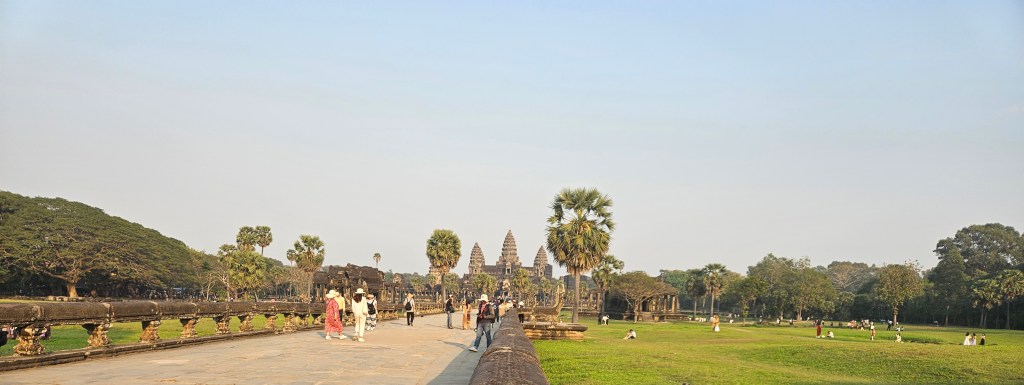
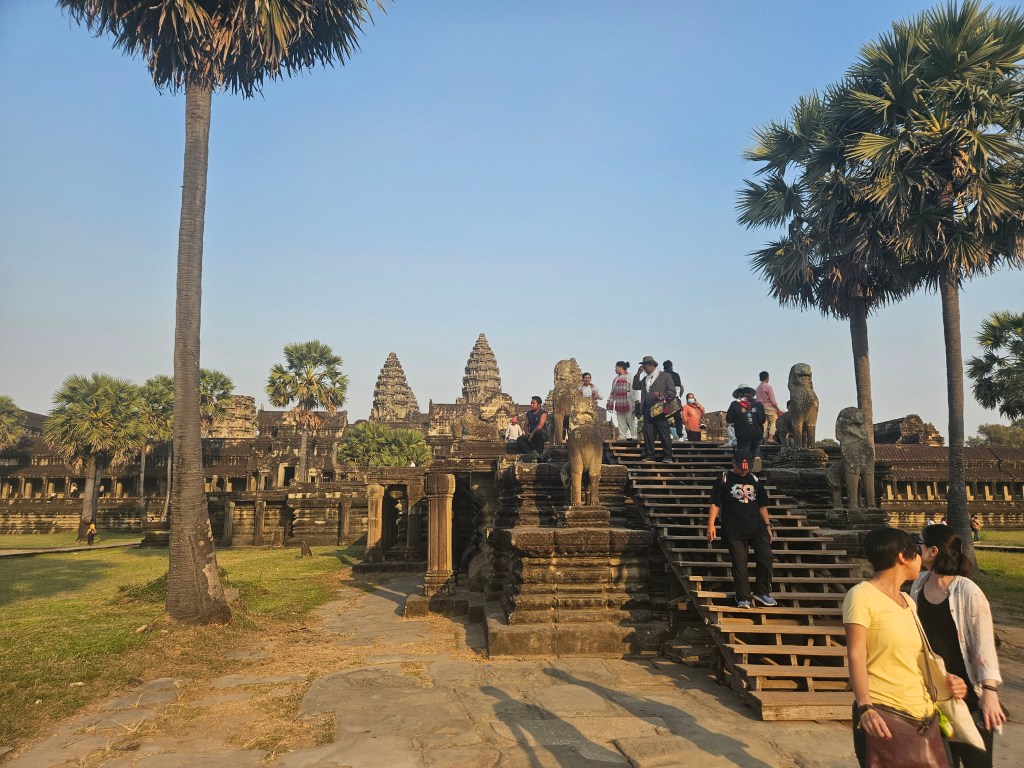
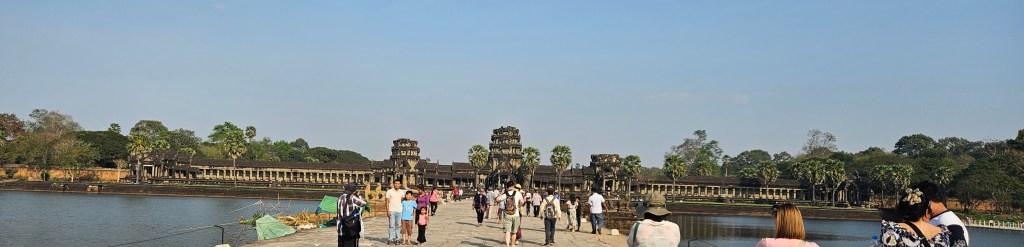
Angkor Wat the complex is cordoned off which requires entrance fees, about USD$60 per person for a 3-day visit. They do have a 1-day access but based on experience 1 day is inadequate to do justice to the beauty that is in the complex. Go for an early day to get the tickets to avoid the crowd, or go the day before (usually by 4.30 pm the visitor booths allow next day tickets to be sold). It is fairly easy to get the tickets, queue up, provide your passport and the type of tickets required, get prepared for an instant photoshot and voila – your ticket is printed and given to you. Don’t lose the ticket as it is required for inspection at various checkpoints even within the temple.
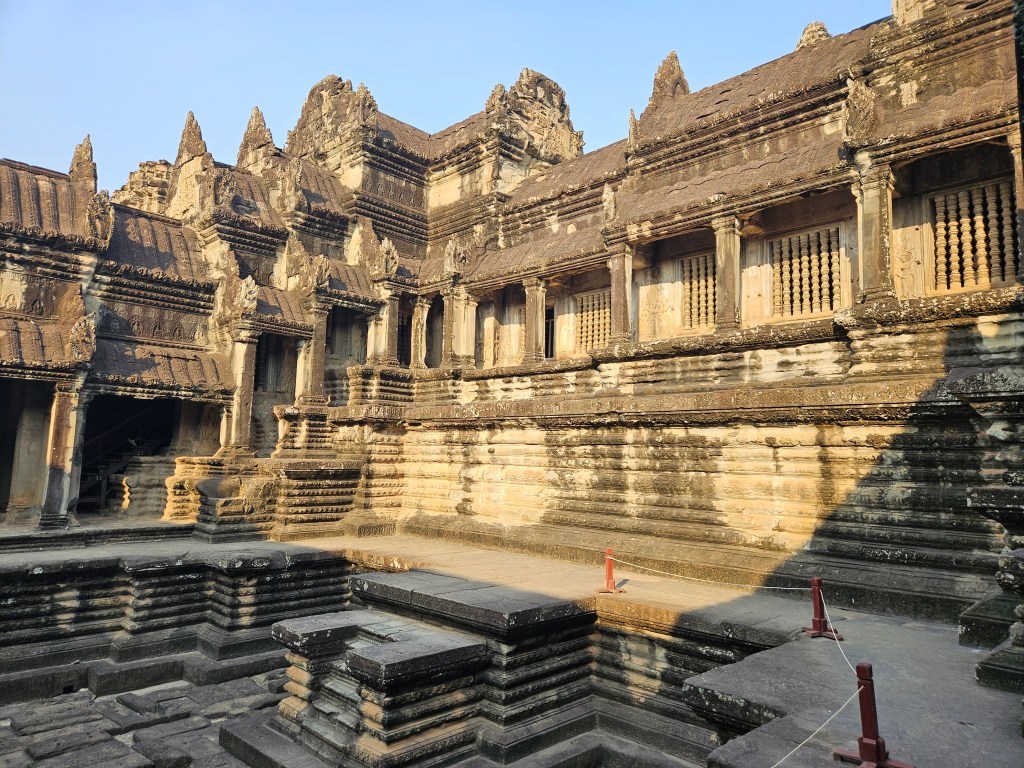
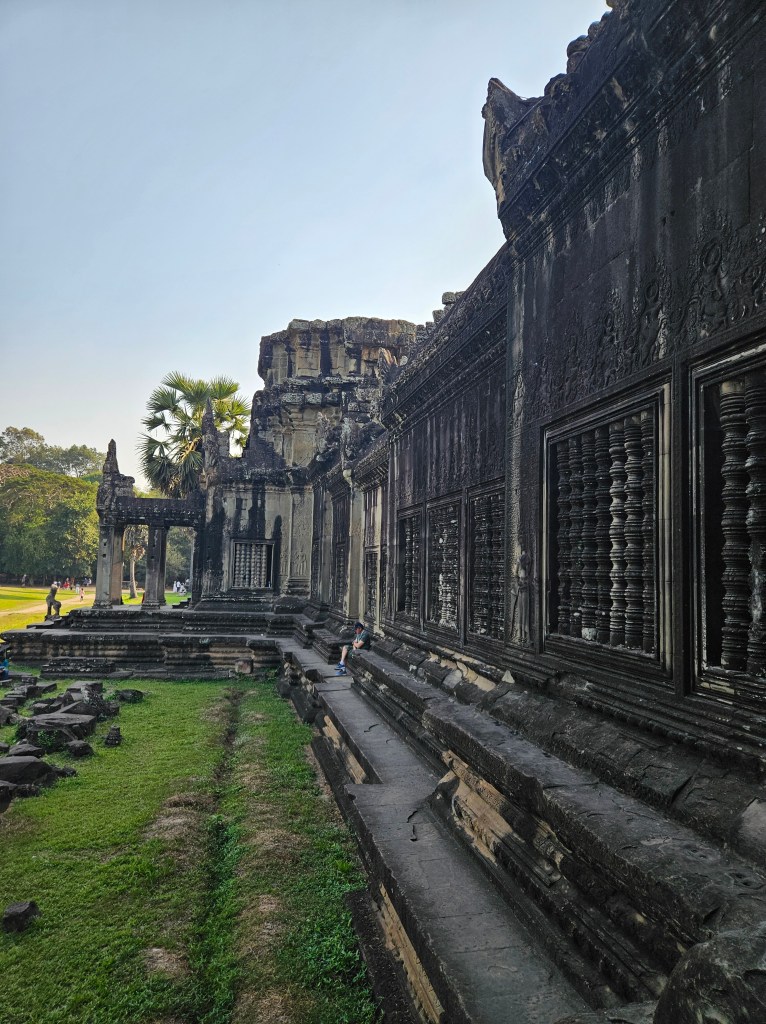

In the past, more complexes are accessible but in view of more visitors, these are not limited. In the past, there are no manmade staircases for climbing up. You will have to find your own way up the very steep stairs. These staircases were accessed by maids and visitors alike in the past on daily basis to offer blessings & food.
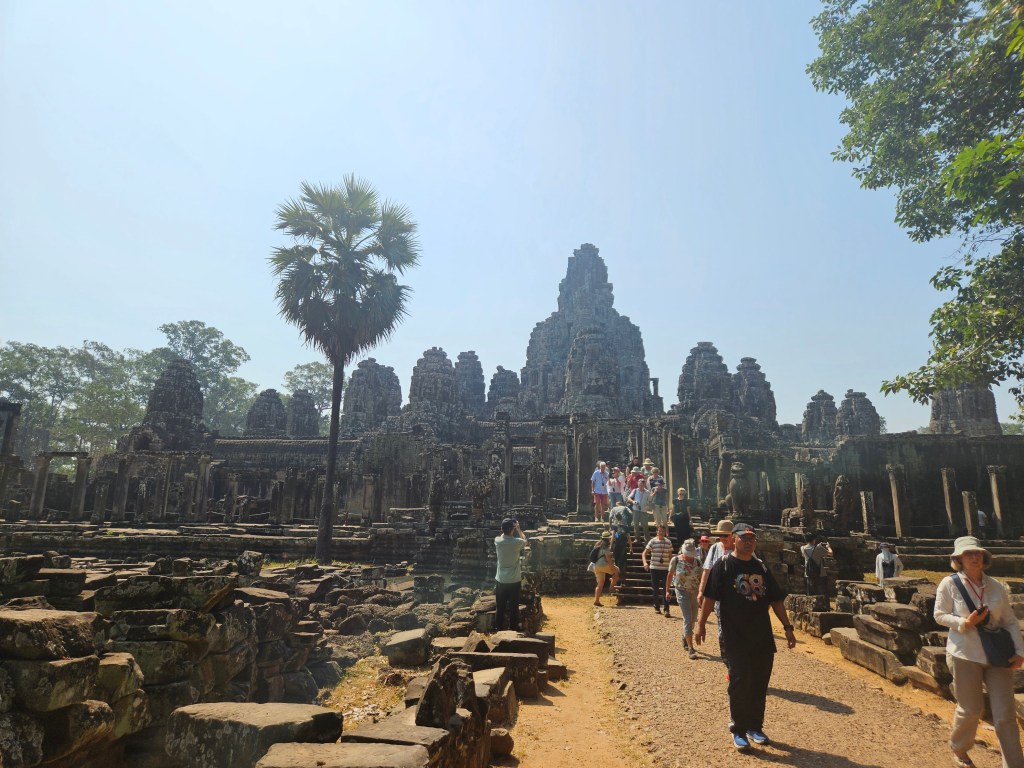
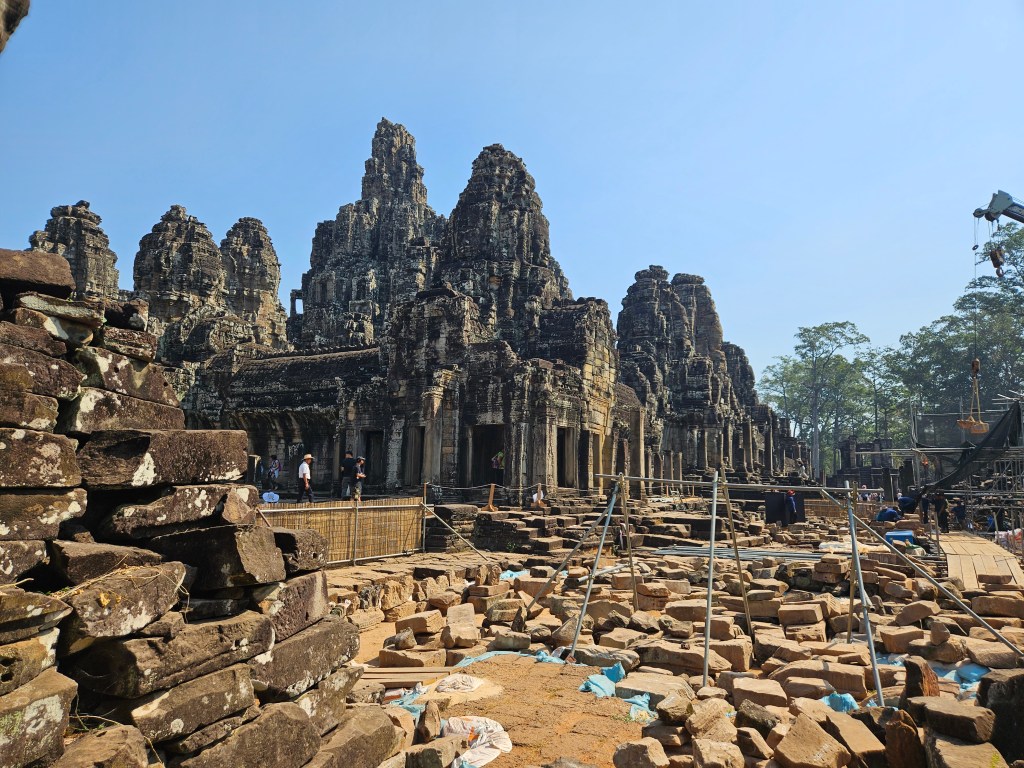
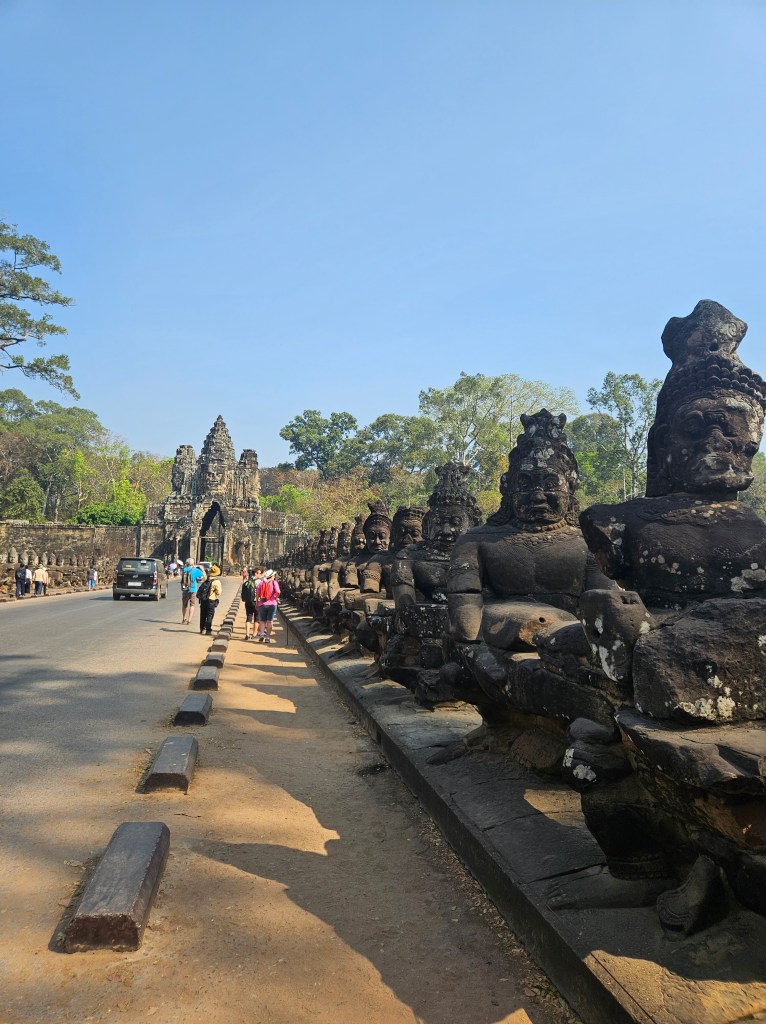
Aside from the main complex, there are many complexes within the vicinity worthy of visits. Bayon Temple is further in whereby many visitors will drop by from their vehicles to visit. Inside Bayon Temple, there are stories carved out in the ruins. As Bayon Temple is popular, it may get crowded and the weather can be quite stuffy. It will be better to start the day early, as early as 8 am immediately after sunrise.

Na Phuon is a smaller temple accessible via a lake. The vibe is quite different and secluded. With the lake around the temple, it is serenity surrounded with water, spread out small forest and simple offerings to the temple.
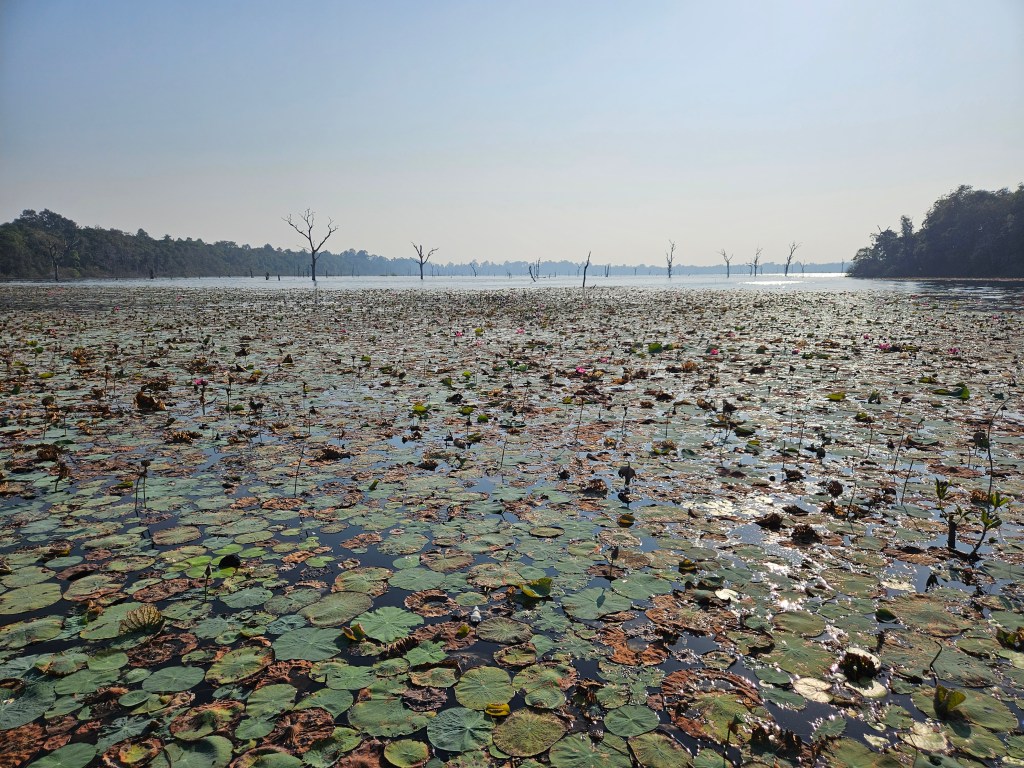
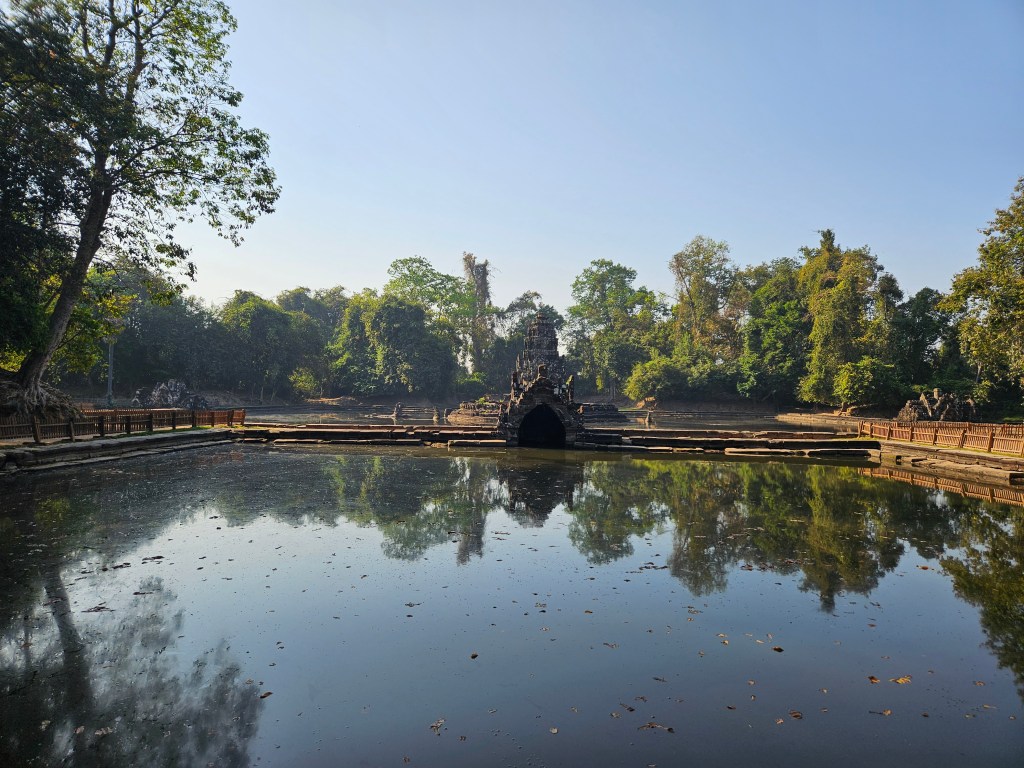

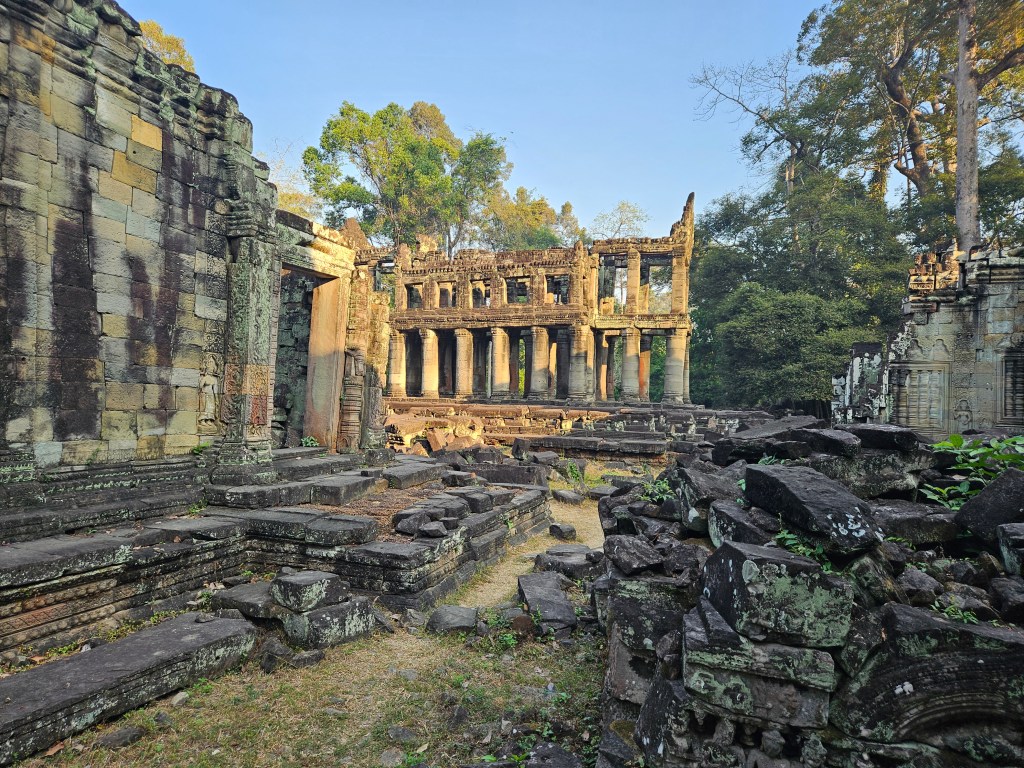
Preah Khean is almost in ruins, although most of the stones are still in the complex. The complex is famous for the big trees which grew as part of the abandoned buildings through time. What is quite sad though is the trees are a symbol of abandonment through time where nature slowly wipes out man-made structure. However, as tourism takes priority, these big trees are considered a danger to the ruins & visitors and chopped off. Another thing is Preah Khean is rectangular in nature, whereby the elongated pathway can be taken as a straight walk from one entrace to another.




20 years have also changed the sleepy town of Siem Reap significantly. These days, many more hotels are available. Roads are tarred (in the past I remembered them as muddy brown as we take the tuk tuks and bikes to the hostels), cafes sprouted everywhere with international cuisines available. At the minimum, a 3 days 2 nights is required or more if you want to take your time to explore the wonderful ancient kingdoms now sprouting with modern amenities. Bring a good pair of shoes, a backpack to store sunscreen & water, don a protective hat and walk through the imaginative glorious past.
 Cheng's Musings