A short series of only 8 episodes, To The Wonder follows the naive & youthful Liu Wen Xi as she goes “adulting” and experiencing life journeys. An aspiring writer, Liu Wen Xi starts off as a waitress in Urumqi city but faces ridicule and ultimately fired. She decides to temporarily stays with her mom and grandmother, who are based in the Altai grassland area, opening a sundry shop. Originally, she finds the livelihood in the grassland lacking modern facilities while the language & cultural barriers with the local often inducing misunderstandings. As she stays on longer, with encouragement from her laissez fair and open-minded mother, she finds warmth & beauty in the grassland livelihood. As she indicates in her writing – she is simply experiencing life.
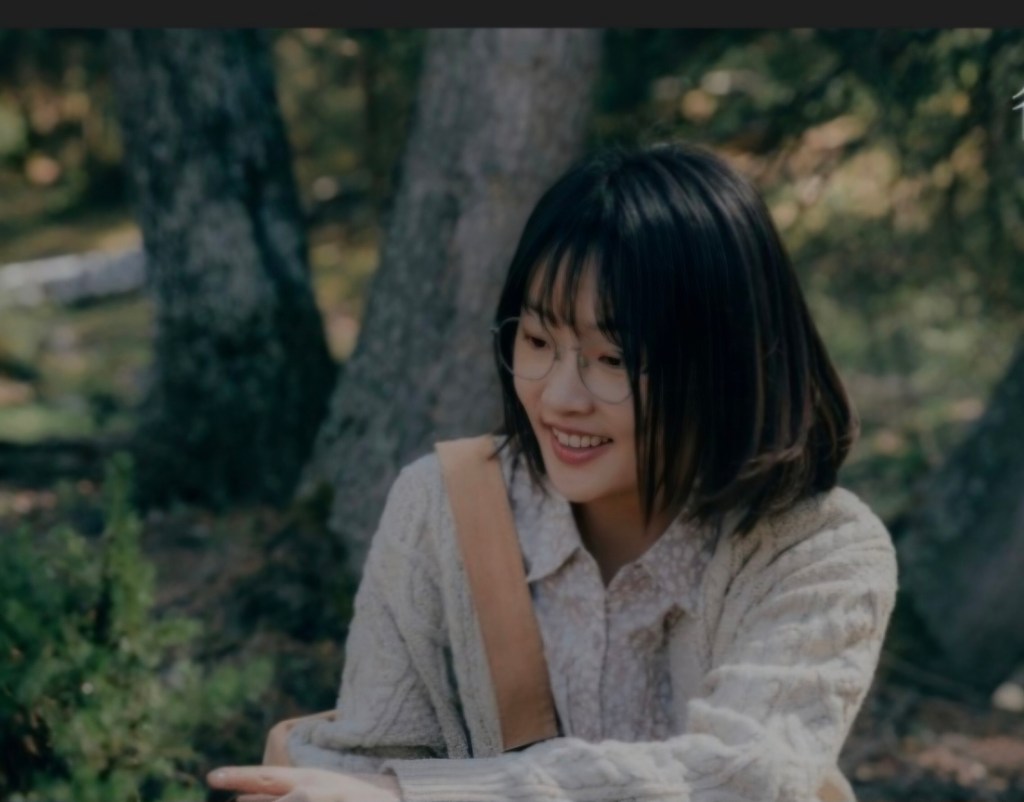
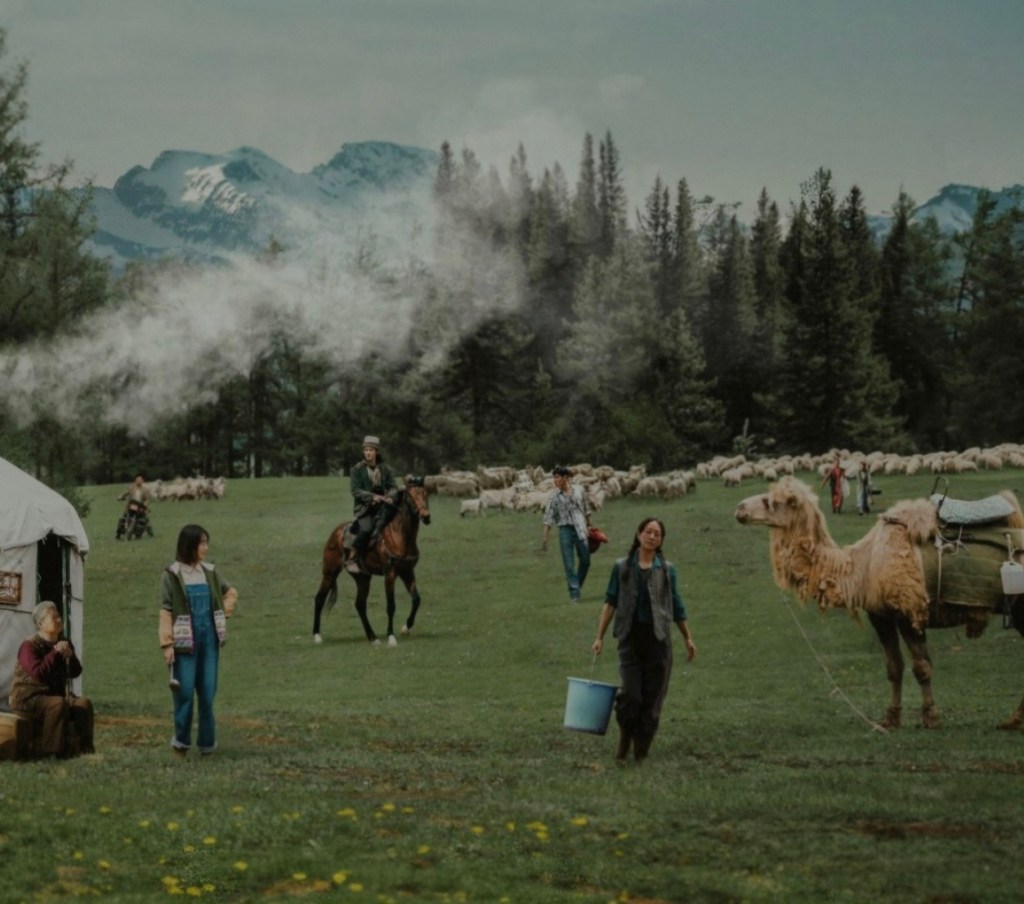
Although the series uses Liu Wen Xi (who is of Han descent) as the starting point, the series also introduces the minorities of Xinjiang autonomous region, including Kazakhs, Mongols and others living a simple herding life in the grassland. The series showcases the changes these minorities are facing, the challenges in family & community and even conflict of modern day life. All beautifully told through a very laidback and ordinary stories of common people that we can relate to.
Muse #1 : The conflict from the changes towards a modern world is indicated in a stark reminder at the beginning of the series, showcasing the transport checkpoint that Sulitan has to go through. The metal detector beeps to expose knives held by the Kazakh. Although the metal detector is the “door” to modern transportation & safety for the public, Sulitan’s reaction is an act of resistance to the more convenient transportation which requires him giving up his cultural attachment to the weapons to protect himself in the wild grassland. I had to scratch my head to think – how in the world did he conveniently have a horse or two just outside the bus station to fall back on. 😀
The series also explores the youthful love & excitement in emotions. As Liu Wen Xi bumbles through the life in grassland, the interactions with the handsome Batay (son of Sulitan) provides opportunities for the two youngsters to develop feelings for each other. Initially, wary & shy of each other, then the sweet sharing of the simple life & culture in the grassland, and exchange of feelings. The series shows the mischiveous side of the youths, the uncertainties in their feelings and the jealousy felt as well.
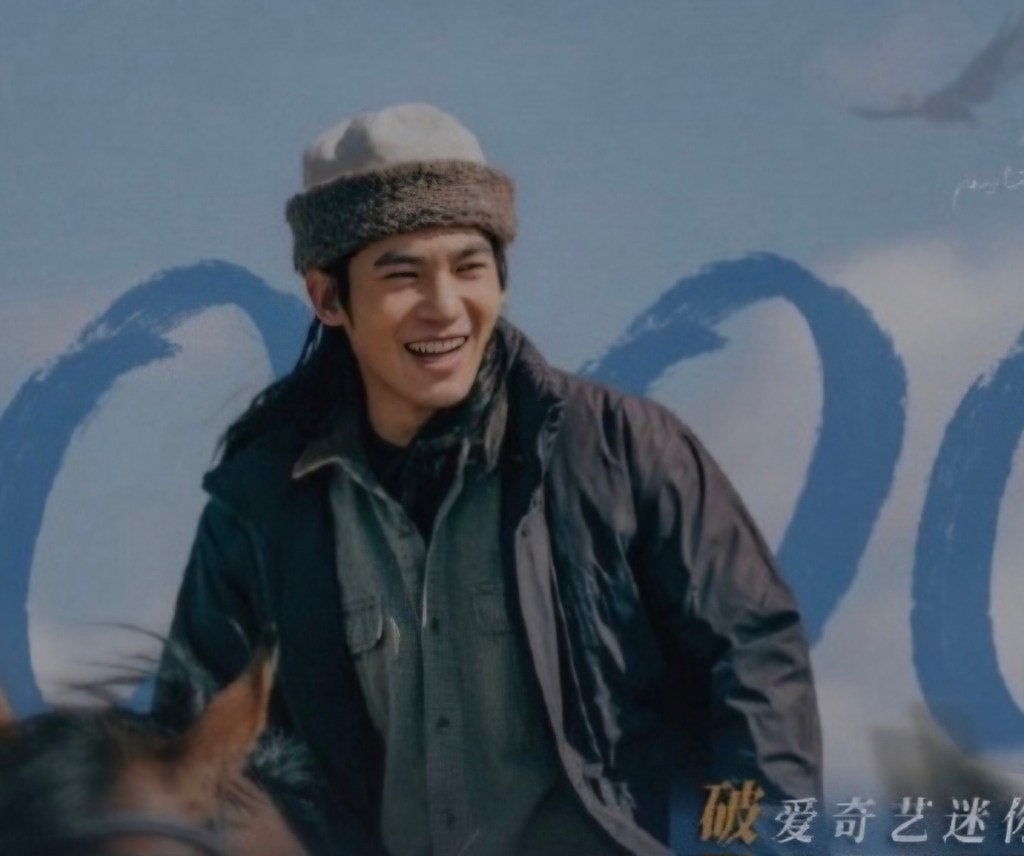
Muse #2 : I really like Batay’s character. Filial, understanding but not a pushover when he is put to a corner. When the family requested for him to take on his brother’s widow Kulan as his wife, he balked at the idea and his facial expression is so cute to see. It is almost like marrying your sibling. As the Kazakhs stays in the communal tent, it is not ackward for him and Kulan – showing the openness and transparency in the family, perhaps also a glimpse of the cultural differences. Batay also has a mischievous & idiotic side of him especially after a drink or two. The youthful brawl brought about from pure jealousy & competitiveness in taking male reign. Something I really don’t understand, but so funny to see as an outsider. I am also slightly surprised that the community within Kazakh in the grassland consume alcoholic drinks as they are mostly Muslims (the mention of Eid-adha confirms the religion aspect) who are forbidden to consume liquor. The actor who portrays Batay is actually of Han descent, but learned the Kazakh’s language to better portray the character. His pronounciation is slightly different but good effort.
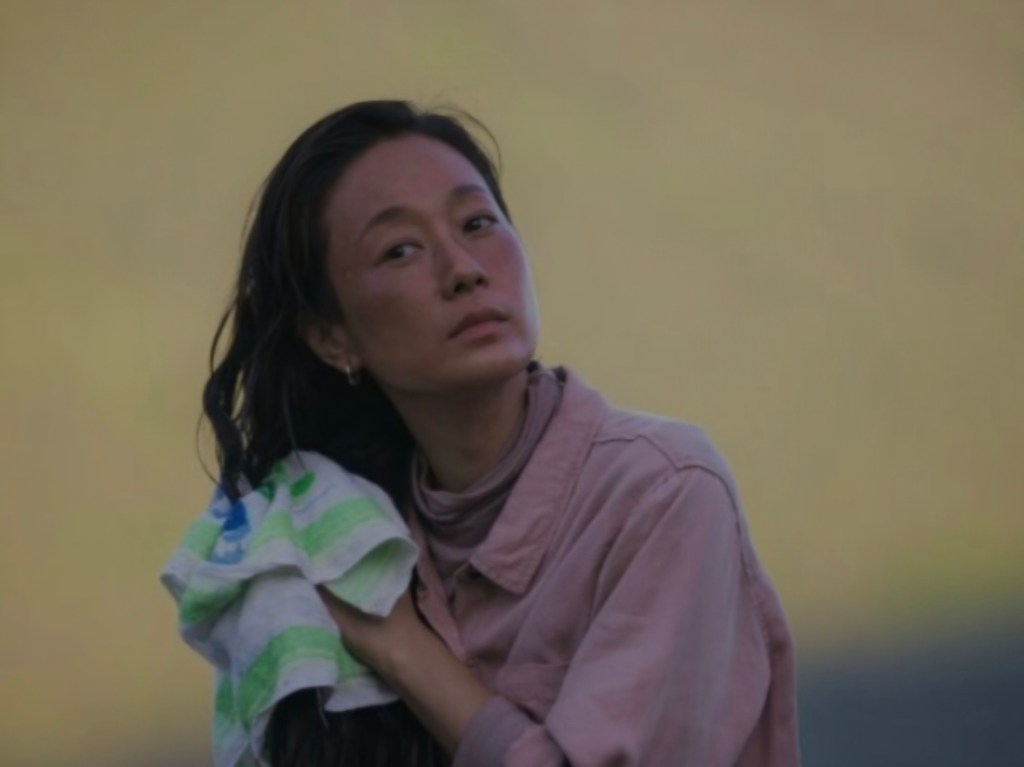
Muse #3 : Kulan’s character is also an enigma on its own, and provides a glimmer of the changes of how the women of the grassland. A pretty strong-willed character, at the start of the series, I actually didn’t really like her character. She was whiny (with her breaking down quite often at her drunkard husband). Although I do not condone drunkards, her interactions with her husbands at the beginning shows real cracks in the relationship and she didn’t look at all sad after her husband’s passing (and such an idiotic way of dying too, drunk until unconscious and left out in the outdoor dying in the cold harsh weather). In actual fact, she has her eyes set to remarrying her sweetheart Chaoge from the summer ranch. However, as the series explore her own youthful journeys, she is after all a pitiful girl who is married off early to an irresponsible drunkard. With two young children, she obviously adores her kids but lacks the love connection with her husband. After the death of her husband, she definitely deserves a better man and life in the future, and she is not shy to pursue them even with the resistance from the family. The womenfolks are the most difficult – the ridicule, the constant banter, the constant verbal pressure.
The series at a later stage also explores the very generous Zhang Feng Xia, the mother to Liu Wen Xi. I also like this character very much. She is the epitome of openness and generosity. Although at the beginning, she does look to be a lot more laidback & sarcastic, as we progress with the series, she really has a heart full of kindness and generosity. Liu Wen Xi’s naivete and kindness are inherited from her mother through her teachings. The short 8 episodes showcases her own journey and provides glimpses of this character’s growth. From her love story with her deceased husband, to her attempt to escape the painful loss, to her opening her heart again to a very coy scammer, to her love for her mother in law and daughter, imparting the kind of generosity & openness towards other cultures. There are so many memorable situations that this wonderful lady provides golden moments for us to remember:
- When Liu Wen Xi is adamant to try to collect the debt of the sundry shop from the community, it is quite hilarious and comedic to land Liu Wen Xi into troubles. The embarassment she causes to the ladies when she chases the wrong person for debt (and in the process informing the whole community that the person has huge debts). The ill-conceived “name-calling” she made mistake of. The conflict that she creates by asking for the debt of the deceased drunkard – Kulan’s husband, and subsequently created significant conflict for the whole family. It is how Zhang Feng Xia manages the conflicts which is beautifully done – she providing the intermediary skills, and subsequently not so patiently explaining to her clueless daughter on the art of mediating in a culture different from theirs.
- Whenever the community comes to her sundry shop, she is able to help them by either giving credit or doing barter with them – to ease each individual’s difficulty without letting them lose face. Her nonchalant acts are actually the epitome of generosity. And within the fierce outward face, she is a softie. She doesn’t even have the heart to collect the money from the drunkard husband of Kulan, allowing it to grow into thousands of debts.
- When Zhang Feng Xia insists on taking the route to pass through Fairy Cove, to experience the most beautiful place in the heart of her deceased husband, it is quite apparent she has yet to move on from the painful loss. Even her daughter, as clueless as she can be, can see through the iron-will of this mother, who insists to move further and further away from modern towns to escape her pain of losing her one and only love.
- When Zhang Feng Xia loses the tin of ashes to the lake at Fairy Cove, it was both funny and sad to see how attached she is still to the love that has left her 5 years ago. In a way, the loss of the tin gives her the push to finally let go.
- When Zhang Feng Xia has finally let go of her past pain, she is somehow smitten with this Guangdong guy. There are signs of a greedy and selfish person all along, but the series also provides a poignant backstory of how he is also the product of scams & bullying along the way, shaping him into the person he is. And ultimately, he is unable to shake off the greediness for money – stealing the old lady’s jade, taking advantage of Zhang Feng Xia’s generosity. Originally still in denial (and at the insistence of Liu Wen Xi), she slowly accepts that the guy is just a greedy person willing to take the shortcut road towards riches. Her parting words to him is a wish for him to follow a rightful path, regardless of whether he is returning to her. The saddest part, the guy just didn’t listen and continues the path of greediness.

Muse #4 : The accent of the scum of a guy, Gao Xiao Liang, is quite pronounced. At the beginning when he converses with Liu Wen Xi, he even asks whether she can differentiates the accent as from Guangdong province whereby most of the folks speak Cantonese. And I can actually relate to the accent. The only thing running through my mind – was the director trying to make fun of the southerners as the Guangdong as being money-grabbers. 😀
Some of the nuances of culture of the grassland nomads are also showcased in the series. Themes explored includes the nomadic life is changing, the cultural views are also demanding a relook especially for the role of women. What I do feel within the grassland community is the friendliness & communal spirit. And frankly, it is quite sad to see the changes as within the concrete building in the city, the way of life is different. The stark contrast of communal living where harmonious living is almost synonimous to the happiness of the community vs the independence & serenity demanded of city dwellers.
Muse #5 : Sulitan’s character is also one that is worthy of mention. Being more conservative and resistant towards changes, but always hearing out his other brethren. And it is usually upon hearing out the rationales from others that he slowly makes his own conclusion. I love the fact that he finally relents to Kulan’s request to care for the children despite being remarried to another family. It was actually very sad to see how he is trying not to lie and at the same time, his reluctance to give up his gun. And he mourns the lifelihood of the past whereby his elders rear eagles, hunt wild wolves with guns as well as bow and arrows, keeping their knives with them all the time for protection & as a symbol.
The ending does seem a little rushed, and perhaps shocking to a certain extent. The high emotions on the day, with the horse running amok, and the very difficult decision that Batay had to make. As Batay has always had a close relationship with his horse Snowshoe, it must have been a difficult choice but he didn’t hesitate as the other life is of Wen Xi’s. His guilt and sadness post the event was not explored in details, but very palpable from his facial expression. And the things he didn’t say. I also felt by not seeing Wen Xi, he is still mourning and does not want to face the reality. However, I must say, the reactions are all really reflective of a very realistic situation. And very understandable too.
In a way, it is a good break for the two youths to explore their own journey. As both are so young, barely in the 20s, walking on their own path is a good way to really understand their ownself better. In addition, the ending on a new year, with reunion as the key theme, and the fireworks literally providing a new lease of life to the 2 young ones. Love the open ended way the series end.
Muse # 6 : At the beginning, I actually didn’t really like Liu Wen Xi’s character. Shy, timid and a mousey character, doesn’t really inspire much. However, she has simply lived her life – experienced the battering of the realistic life, the clashes of different culture and even loved. She comes out triumphantly, growing into a more confident girl and continues to pursue her passion in writing. And the environment she is being brought up, especially by her mom, really expands her own generosity & openness towards other cultures & living. What a wonderful life to live.
The story is very ordinary, but showcases so many nuances in the grassland living. Ever changing culture of the land, the conflict of modern living vs maintaining culture, the transcending love across differences in cultures. As the series is shot in Xinjiang, especially in Altai mountainous area, the views are quite different & breathtaking. The scenes shot in the series are also a poignant reflection of an ordinariness instead of the breathtaking expectations that one would expect from a cinematic experience. It is almost as if the series is shot with the intention of showing the ordinary life & scenes of the grassland, and by an ordinary person as well. It is akin to a beginner taking pictures of beautiful places during travel, breath-takingly impressed with the actual sceneries whereby pictures taken do not do justice to the beauty of nature. Although there is a slight tint of disappointment in the way the cinematic experience is on my part, the final product goes very well with the themes of the series.
Conclusion : 9/10
What are you waiting for. Catch the series on iqiyi, marathoning over the weekend. Meanwhile, the series provides more reasons to be planning a trip to Xinjiang soon.
 Cheng's Musings